Service · Specialist
Antique and specialist
removals in Bexley.
Specialist removals in Bexley for the things ordinary handling is not enough for — antiques, fine art, and event or exhibition pieces. Protected, careful, single-crew handling, with a handyman removals service for the jobs that need a hand as well as a van.
Antiques & fine art
Antique and fine-art removals, handled properly.
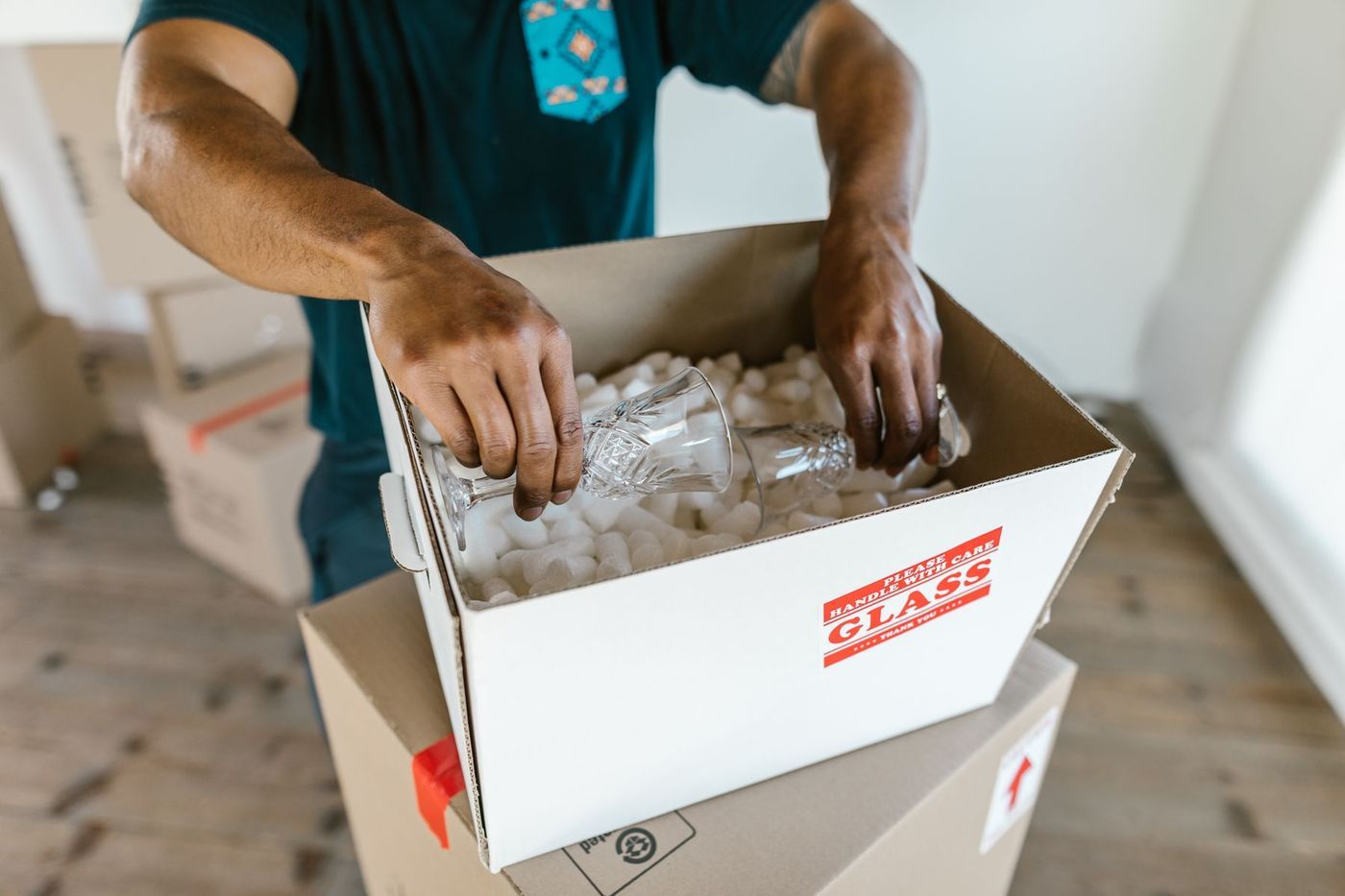
Antique removals and fine-art removals in Bexley are about protection first: the older homes around Old Bexley and the borough’s collectors generate a steady need for pieces that cannot simply be wrapped and stacked. Framed art, mirrors, glass cabinets, period furniture and delicate heirlooms are wrapped, corner-protected and secured individually, and carried by people who know the value of slowing down.
Where a piece is genuinely valuable or irreplaceable, tell us in the inventory and we handle it accordingly — the right materials, the right handling, and the right position in the van.
Events & handyman
Event, exhibition and handyman removals.
Beyond the home, we handle event removals and exhibition removals in Bexley — moving stands, displays, equipment and stock to and from a venue on a schedule that does not slip. These jobs live or die on timing, so they are planned to the slot rather than quoted loosely.
And for the moves that need a bit more than lifting — taking a door off, an awkward disassembly, a fix at the other end — a handyman removals service in Bexley pairs the van with someone who can actually solve the problem on the spot rather than leaving you with it.
Condition and cover
What gets recorded before a specialist piece moves.
The work that protects a valuable item happens before it is touched. Each piece is condition-reported at collection — photographed from every face, with existing damage, old repairs, veneer lifting, frame knocks and craquelure recorded and timestamped. That record is what makes any later conversation about condition a factual one rather than a disagreement. It takes time at the front of the job and it is the single most useful thing a specialist mover does.
Cover is the other half, and it needs stating rather than assuming. Standard goods-in-transit cover is written against ordinary household contents and will not reflect the value of a painting, a collection or a period piece. Anything above the ordinary needs declaring at survey so it is itemised properly, and in some cases that means separate cover arranged specifically for the item. The honest position is that a mover who does not ask you about this before the day is not protecting you.
Handling follows from the survey. Gilt frames travel face-to-face with separation, never stacked flat. Marble and stone tops move vertically on edge, because flat is how they crack under their own weight. Clocks have their movements secured or removed. Upholstered antiques are wrapped against the frame, not against the fabric. None of this is exotic, but all of it has to be decided before the van arrives.
Questions · Specialist & antiques
Antique and specialist removals: questions
Do you handle antique and fine-art removals in Bexley?
Yes — antiques, framed art, mirrors, glass and period furniture are wrapped, corner-protected and secured individually, and carried by people who handle them carefully. Flag valuable pieces in the inventory and we handle them accordingly.
Can you do event or exhibition removals?
Yes — event and exhibition removals in Bexley for stands, displays, equipment and stock, planned to the venue slot so the timing does not slip.
What is a handyman removals service?
It pairs the van and crew with someone who can handle the extra bit a move sometimes needs — taking a door off, an awkward disassembly, or a small fix at the other end — rather than leaving it to you.
Is my standard removals cover enough for antiques or artwork?
Usually not, and it is worth settling before the move rather than after an incident. Standard goods-in-transit cover is written against ordinary household contents, so it reflects what a typical item is worth rather than what a painting, a period piece or a collection is worth. Anything above the ordinary should be declared at survey and itemised, and in some cases that means cover arranged specifically for the piece. We will ask about this as part of the specialist survey. If a mover quoting for valuable items has not raised the question with you, that itself is informative.
How are antiques and artwork actually packed for transport?
To the requirement of the specific piece, decided at survey. Gilt and ornate frames travel face-to-face with separation between them rather than stacked flat, because the ornament is what breaks. Marble and stone tops move vertically on edge, since flat is the orientation in which they crack under their own weight. Clock movements are secured or removed before the case travels. Upholstered antiques are wrapped against the frame rather than compressed against the fabric. Where a piece genuinely warrants it, a bespoke crate is built around it. Everything is condition-reported and photographed before anything is wrapped.
Related · Specialist & antiques
Begin · Photos and inventory
A specialist piece needs a survey first.
Flag anything valuable or irreplaceable in the inventory with a photo of each face. We condition-report it, agree the packing and raise the question of cover before a date is set.